


How Solar Energy Works
Solar energy has become one of the fastest-growing sources of renewable energy in the world today. With rising energy costs and increasing concern about climate change, many people are turning toward solar power as a clean, reliable, and sustainable solution. But before you decide to invest in solar panels for your home, business, or industry, it’s important to understand how solar energy actually works.
In this blog, we’ll break down the science behind solar power in simple terms, explain the technology used, and highlight the benefits of using solar energy in your daily life.
The Basics of Solar Energy
At its core, solar energy is the process of converting sunlight into usable electricity. The sun constantly emits massive amounts of energy in the form of light and heat. When we install solar panels, they capture a portion of this energy and transform it into electrical power that can run appliances, charge batteries, and even power entire factories.
Solar panels are made of photovoltaic (PV) cells, which are designed to absorb sunlight. These cells are typically made from silicon, a material that has special properties allowing it to release electrons when exposed to light. This phenomenon is known as the photovoltaic effect.
Step-by-Step: How Solar Panels Work
To better understand the process, let’s walk through how a solar panel system works step by step:
1. Sunlight Hits the Solar Panels
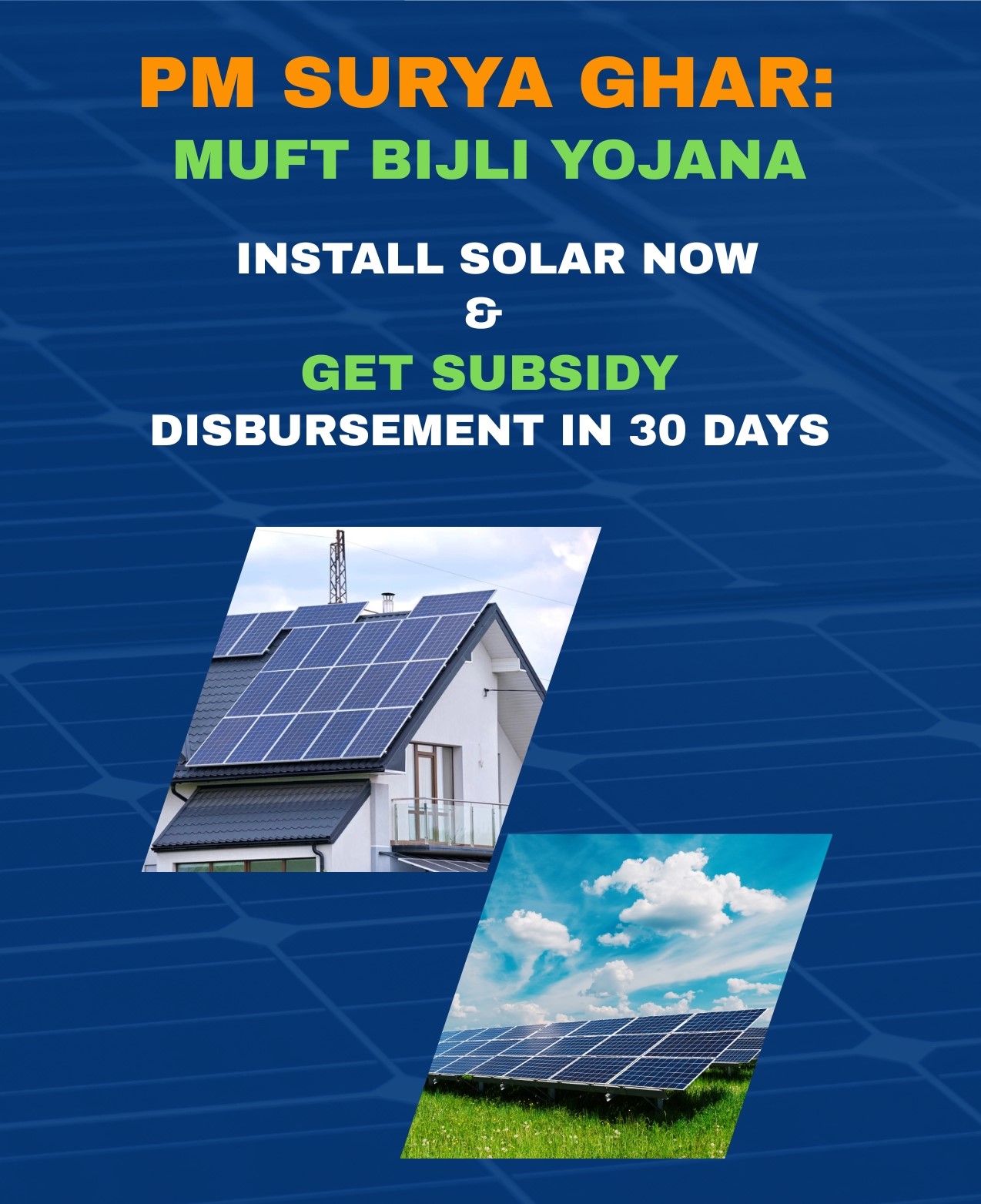
When sunlight falls on the solar panels installed on rooftops, open land, or solar farms, the PV cells inside the panels absorb the photons (light particles).
2. Generation of Direct Current (DC) Electricity
As photons hit the solar cells, they knock electrons loose within the silicon. This creates an electric current, which is captured in the form of direct current (DC) electricity.
3. Conversion to Alternating Current (AC)
Homes and businesses use alternating current (AC) electricity, not DC. Therefore, the DC electricity generated by the panels must be converted into AC. This is done using a device called a solar inverter.
4. Electricity Powers Your Home or Business
The AC electricity then flows into your home’s electrical panel (also known as a distribution board). From here, it powers your lights, fans, appliances, computers, and other electrical devices.
5. Excess Energy Goes to the Grid or Battery
- If your solar panels generate more electricity than you use, the extra energy can be sent back into the electric grid. In many countries, homeowners can earn credits for this process, known as net metering.
- Alternatively, you can store the excess energy in a solar battery to use later at night or during power cuts.
Types of Solar Systems
There are different ways solar energy can be set up depending on your needs:
- On-Grid Solar System – Connected to the electricity grid. Excess energy goes to the grid, and you can draw power from the grid at night.
- Off-Grid Solar System – Not connected to the grid. These systems use batteries to store power for when the sun isn’t shining.
- Hybrid Solar System – A combination of both, where you use batteries but remain connected to the grid for backup.
Why Solar Energy is the Future
Now that you know how solar energy works, let’s look at why it’s becoming the preferred choice for homeowners and businesses worldwide:
- Cost Savings – Once installed, solar panels can drastically reduce your monthly electricity bills. Over time, they pay for themselves.
- Clean and Green – Solar power produces no greenhouse gases, making it an eco-friendly alternative to coal or gas.
- Energy Independence – By generating your own power, you become less dependent on rising electricity tariffs and unreliable power supply.
- Low Maintenance – Solar panels require minimal maintenance. Occasional cleaning and inspection are enough to keep them running for years.
- Long Lifespan – Most panels come with a warranty of 20–25 years, ensuring long-term benefits.
Common Myths About Solar Energy
Even though solar energy is widely used, there are still misconceptions:
- “Solar doesn’t work on cloudy days.” – While solar panels perform best under direct sunlight, they still generate electricity from indirect sunlight on cloudy days.
- “Solar is too expensive.” – The cost of solar panels has reduced significantly over the last decade, and government subsidies make it even more affordable.
- “Solar panels damage your roof.” – When installed properly, solar panels actually protect your roof by shielding it from rain and sun damage.
The Role of Success Solar
At Success Solar, we specialize in providing customized solar solutions for homes, businesses, and industries. From consultation and installation to maintenance, we ensure you get the maximum benefit from your solar investment. Our mission is to help families and businesses save money while protecting the environment for future generations.
Conclusion
Solar energy works through a simple yet powerful process of converting sunlight into electricity using solar panels, inverters, and smart distribution systems. It’s clean, renewable, and sustainable—making it the future of energy. Whether you’re a homeowner looking to reduce bills or a business owner aiming for sustainability, solar power is the smartest step forward.
Switch to solar today with Success Solar and be a part of the renewable energy revolution.